Is There a Limit to Gambling? Practical Boundaries for Responsible Play

Gambling has accompanied many cultures for generations, from street dice games to modern online platforms, and it remains a popular form of entertainment with real-world consequences. A practical limit most people think about is money: set aside a budget you can afford to lose without affecting essential costs like rent, groceries, or savings. A second clear limit is time: designate a maximum number of hours you’ll gamble in a session or week, and stick to it. A third limit focuses on behavior, such as not chasing losses or increasing bets to recover past ones, which helps keep gambling from steering your decisions.
Psychological limits are equally important. For some, gambling stays a fun activity; for others, warning signs appear—chasing losses, escalating stakes, constant preoccupation with betting, using gambling to cope with stress, and losing track of time. These patterns shift the boundary from a voluntary pastime to a compulsive behavior, and they often require broader boundaries than a simple dollar amount. If you notice you’re thinking about gambling when you’re not playing or you feel irritated when you can’t gamble, that’s a cue to re-evaluate boundaries and seek support if needed.
Gambling can also affect physical and mental health, not just wallets. Ongoing losses or stress can raise anxiety and disrupt sleep, especially with late-night online sessions. The emotional impact—guilt, shame, or irritability—can strain relationships and daily routines. A meaningful limit therefore includes emotional well-being and stable routines, not just financial figures. If you’re tired, anxious, or withdrawn because of gambling, that signals a deeper need to adjust boundaries or seek help.
Legal limits exist to protect players, such as age restrictions, location rules, and certain prohibitions on specific games. These rules help reduce risk, but they don’t guarantee responsible behavior. Being legally allowed to gamble does not mean you’re immune to problems, and legal boundaries should be seen as a baseline for safety rather than a substitute for personal limits and self-monitoring.
A practical approach is to separate the idea of “Is there a limit?” from “How do I stay within healthy boundaries?” For some people, responsible gambling means enjoying the activity in a controlled way, with clear exit rules and no negative consequences. For others, any loss of control means the limit is no longer just about money or time—it’s about recognizing when to pause or stop entirely and seek help.
Red flags that your limit may be eroding include gambling more often than planned, hiding gambling activity, borrowing money to gamble, needing bigger bets for excitement, mood swings when not gambling, and a recurring promise that “tomorrow will be different.” If several signs apply, it’s time to rethink boundaries and consider professional support or structured self-help steps.
To build an effective limit, start with concrete steps you can follow before you gamble: set a maximum loss you can afford, schedule a fixed time, cap the bet size, avoid chasing losses, and plan an explicit exit strategy for winning or losing. These rules reduce emotional decision-making at crucial moments and help ensure the activity remains a form of entertainment rather than a source of stress or debt.
If gambling is already affecting life, you don’t have to face it alone. Look for local or national resources such as problem-gambling helplines, counseling services, and peer-support groups. Early help can prevent long-term harm and restore balance to finances, sleep, mood, and relationships. If you’d like, tell me which type of gambling you’re focused on—casino games, sports betting, online slots, or lotteries—and I can tailor a practical, simple responsibility plan for that format.
FAQ
Can Gambling REALLY Be Responsible? The Truth Wont Shock You
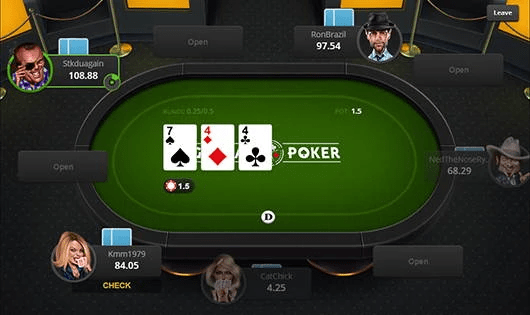
Gambling can be done responsibly, but only when it is treated as entertainment rather than a way to earn money. According to industry reports, over 70% of adults in countries like the UK and Australia participate in some form of gambling each year, yet only a small percentage develop serious problems. For example, someone might spend $20 on a lottery ticket or a few rounds of online poker, similar to paying for a movie ticket, knowing that the money spent is for enjoyment, not profit.
Can Casinos Legally Rig Games?
<h2>Is It Legal for Casinos to Rig Games?</h2> No, it is generally not legal for casinos to rig games. In a regulated casino, the games must follow approved rules, fair testing standards, and licensing laws. Casinos are allowed to have a house edge, which means the odds are built so the casino makes money over time, but that is not the same as cheating or changing outcomes unfairly. <h3>What legal casino games are allowed to do</h3>
Is Gambling Illegal in the USA? 2026 State Laws Explained
Is gambling illegal in the USA? No, gambling is not illegal across the entire United States. Instead, gambling is regulated by each state, which means it is legal in 47 out of 50 states as of 2025. Only two states—Hawaii and Utah—completely ban all forms of gambling, including casinos, lotteries, and sports betting. Most Americans can gamble legally because 47 states allow some type of gambling. For example, in Nevada (home to Las Vegas), you can visit casinos, bet on sports, and play poker.
オンラインカジノ送金はバレる?
オンラインカジノで送金すると、入出金の記録が残るため、あとから見つかる可能性があります。たとえば、銀行口座、クレジットカード、仮想通貨ウォレ
オンカジ出金方法ガイド:銀行・電子決済・仮想通貨を徹底比較
出金の基本フローと準備を押さえる オンカジでの出金は、出金申請をしてから審査を経て着金するという流れが基本です。申請時には出金先を選び、出金額
How Bad Is America’s Gambling Problem?
How Bad Is the Gambling Problem in America? Gambling in America is not a crisis for most people who place an occasional bet, but it is a serious and growing public-health problem. Millions of adults experience gambling-related harm, while the rapid expansion of mobile sports betting has made high-risk gambling easier, faster, and more constant than ever before. The scale of the problem Estimates suggest that about 2.5 million U.S. adults meet the criteria for a severe gambling problem in a given year, and another 5 to 8 million experience mild or moderate gambling problems.
What role did roulette play in popular culture such as movies and literature?
What role did roulette play in popular culture, such as movies and literature? Roulette has played a significant role in popular culture, appearing in numerous movies, books, and other forms of media. In movies, roulette often appears as a symbol of glamour, luxury, and risk-taking. One of the most famous examples is the classic film “Casablanca,” where the game is prominently featured in several scenes. In the movie, the character Rick (played by Humphrey Bogart) runs a popular nightclub and casino in Casablanca, Morocco, where roulette is one of the main attractions.
LuckyRush Casino – Games, Account Access & Player Guide
This site only collects related articles. Viewing the original, please copy and open the following link:Is There a Limit to Gambling? Practical Boundaries for Responsible Play